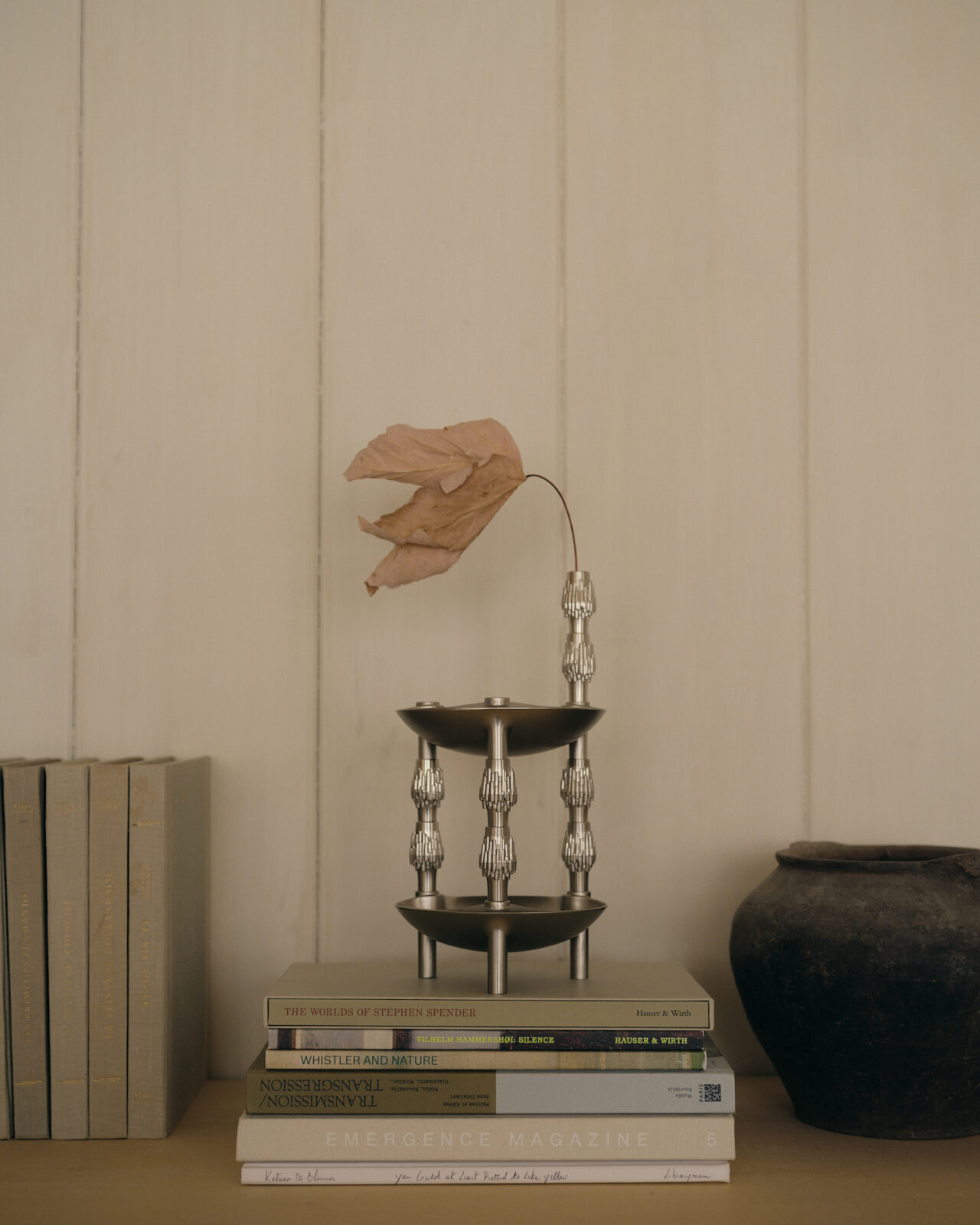
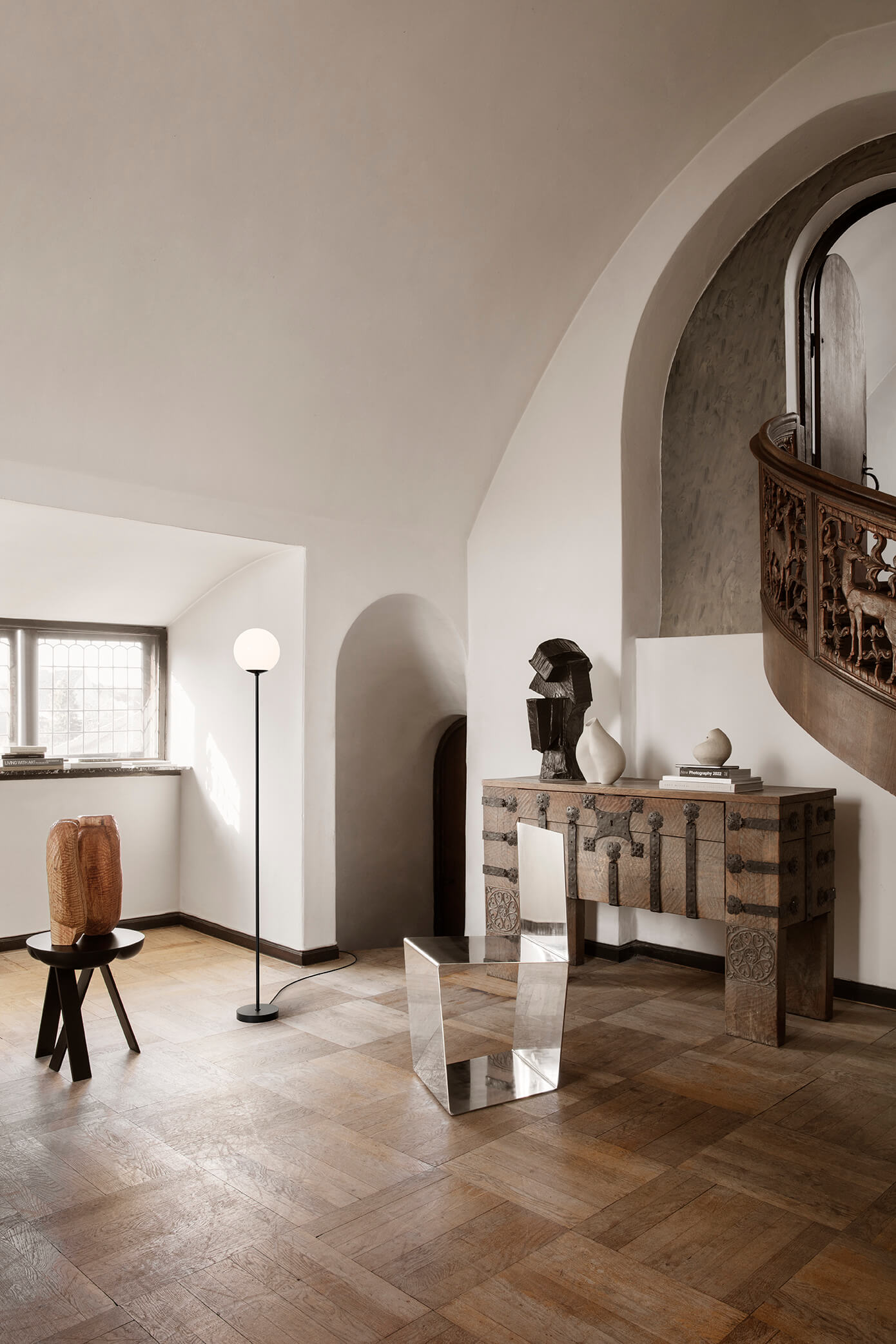
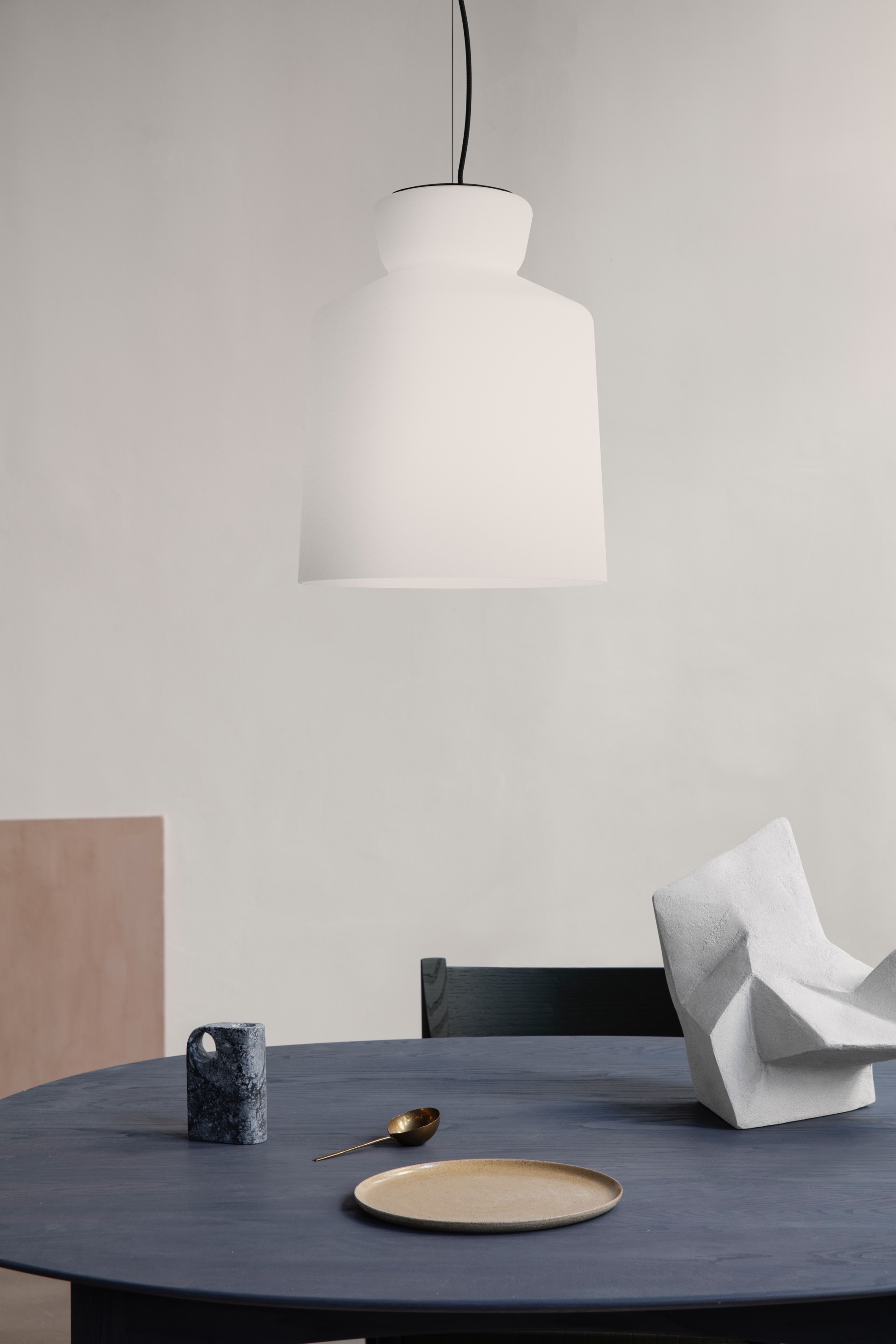
Though the philosophy has been around for centuries in Japan, it has been popularised globally through designers like Tatsuro Miki and Axel Vervoodt, whose works surpass time, place and trend with their natural, pared back aesthetic. The notion that nothing is ever really complete, perfect or permanent forms the founding principles of Wabi-Sabi. Rawness, simplicity, modesty, intimacy, and a grounding respect for nature and time-worn processes are all characteristic of the philosophy.
Here at Good Form, we have long been drawn to this concept in interior design, not only because we specialise in preserving timeless vintage design over at Mr. Bigglesworhty, but also because we have a deep respect for history and exceptional craftsmanship.
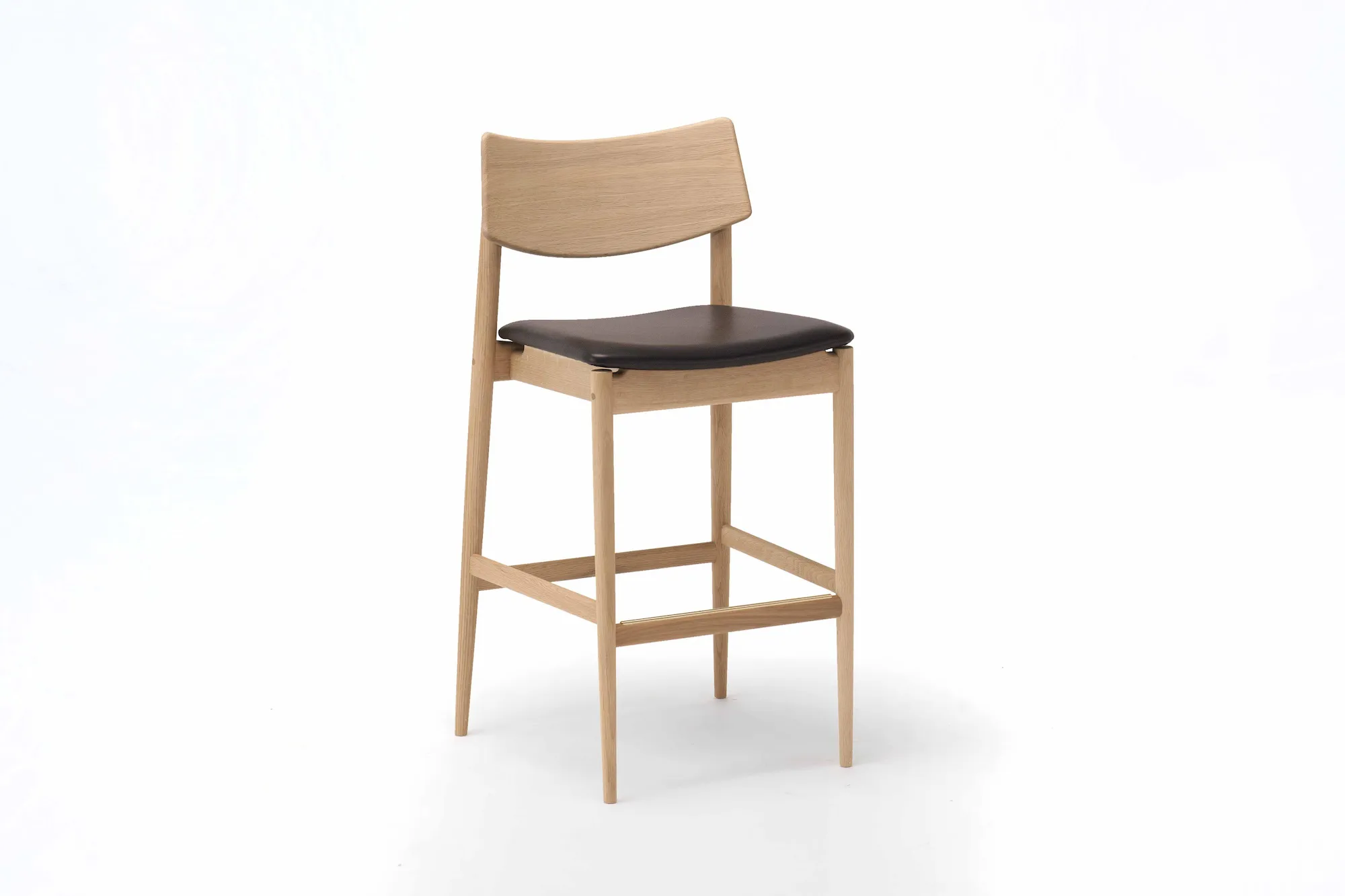
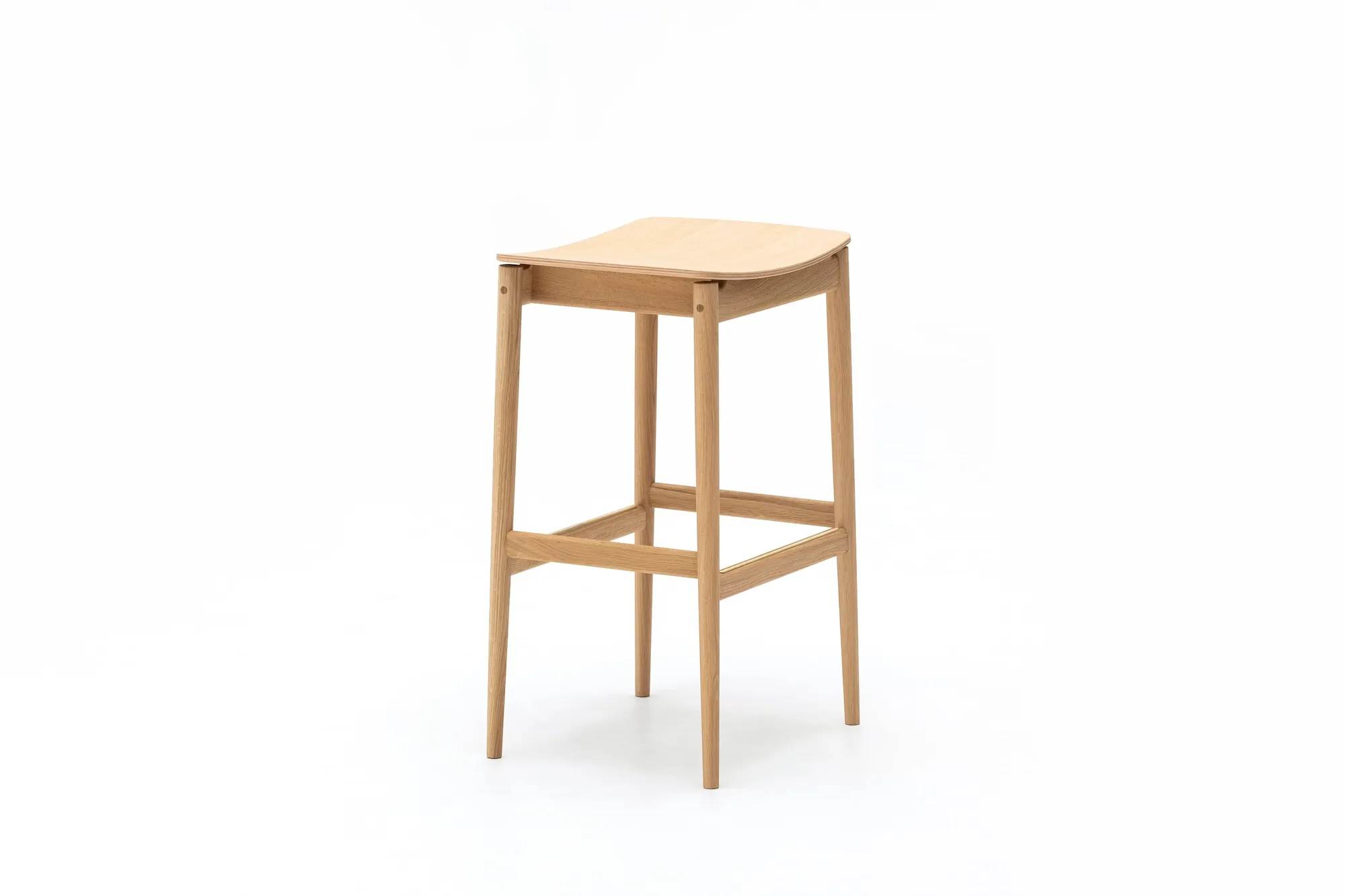
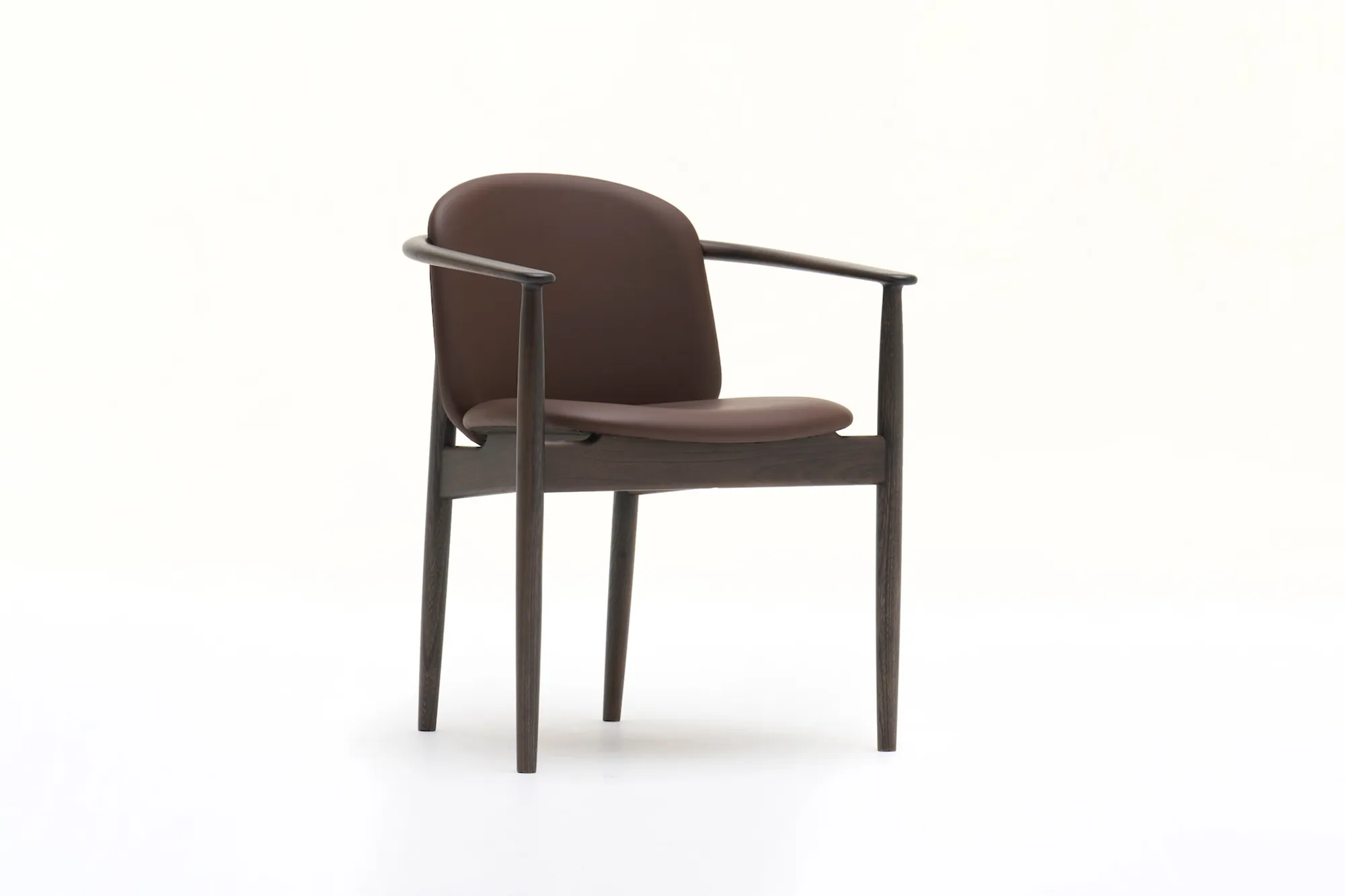
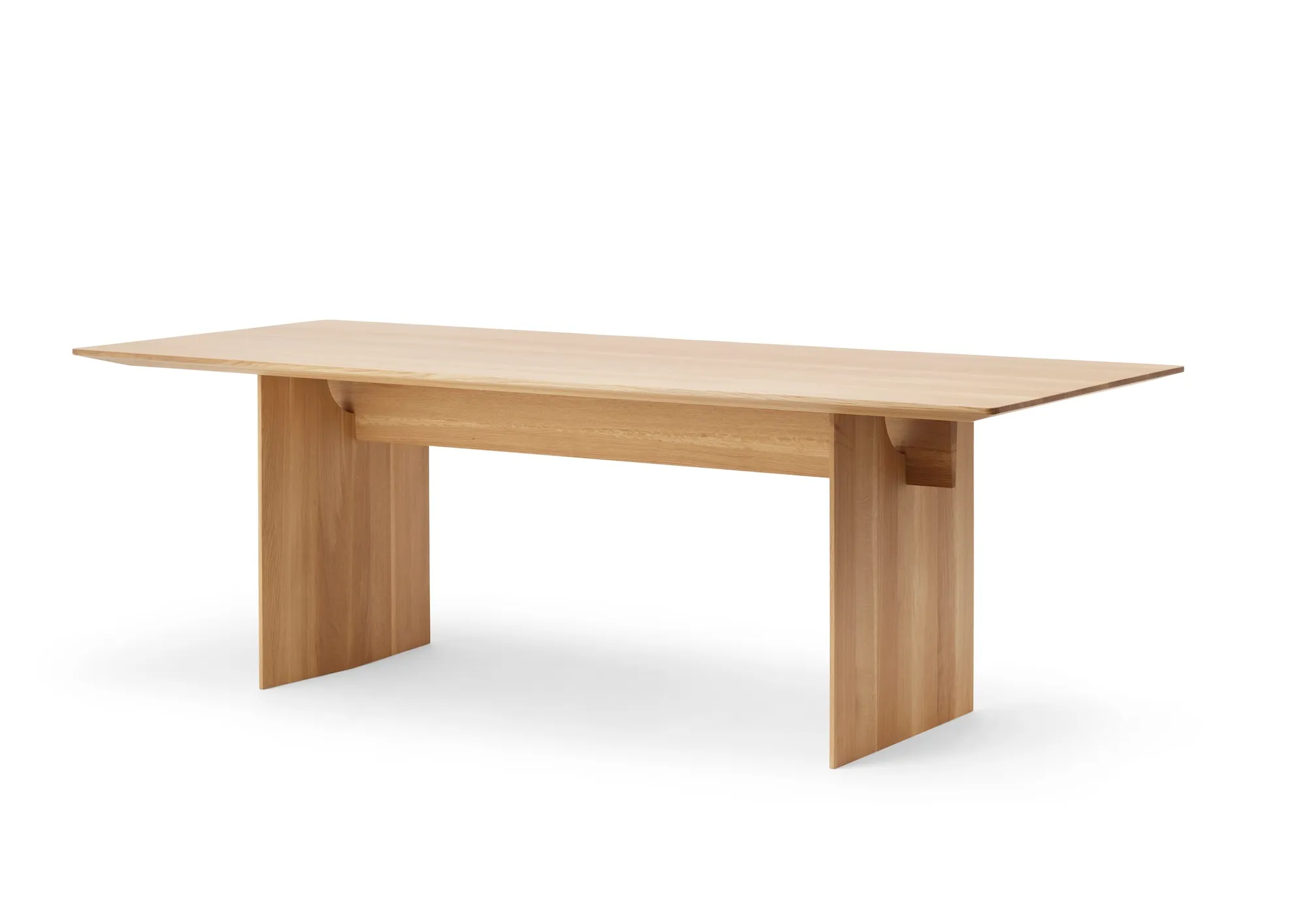
We’ve put together a short selection of some of our favourite interiors that embrace the Wabi-Sabi spirit and have paired them with some beautiful designs at Good Form.

Wabi refers to living with humility and simplicity while being at one with nature, while sabi is defined as the ability to accept the lifecycle of anything as it is—flaws and all.
There is an unexpected beauty in weathered objects and raw materials and interior designer Maria Marinina understands this wholeheartedly. Throughout, there is a feeling of calm, conjured by the natural materials of raw concrete, timber, and stone. These textured organic materials form a beautifully imperfect base for a home. She has cleverly created an interior that embraces Wabi-Sabi principles of authenticity and simplicity without looking cold or sterile.
With an earthy palette of all-natural and rich materials, this house designed by Norm Architects gives you the feeling of being in the middle of nature while inside. The design shows a respect for nature, history and patina inherent to the Wabi-Sabi philosophy.


Annabell Kutucu’s distinctive style is characterised by her use of earthy, natural materials and an understated yet warm aesthetic – the essence of wabi-sabi